
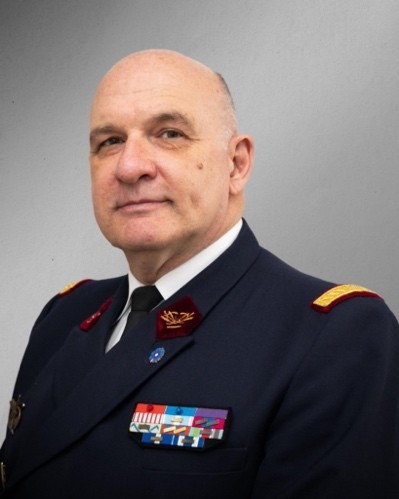
Major General Sylvain Ausset
full professor at the Val de Grâce medical academy Head of the « institution nationale des invalides »
Born in 1966, major general Ausset pursued his studies at the Armed Forces Medical School in Bordeaux before serving as a unit physician in the Army. During this period, he was deployed in 1995 to the former Yugoslavia with the 4th Infantry Battalion in Sarajevo, then in 1997 to the Tibesti Desert as part of the military assistance mission in Chad. He subsequently became an anesthesiologist and intensive care specialist. He was deployed again as part of Operation Trident in Kosovo in 2004 and 2006, and then in 2009–2010 to the Medical-Surgical Hospital in Kabul, Afghanistan. As part of the medevac on-call duty for the parisian’s military hospitals, he carried out numerous individual and collective medical evacuations, both intra-theater and strategic. He served as full professor of the Department of Anesthesiology and Critical Care at the Val de Grâce medical academy from 2014 to 2019, before taking command of the military medical schools in Lyon and becoming director of the “Insiititution nationale des invalides” in Paris in August 2024
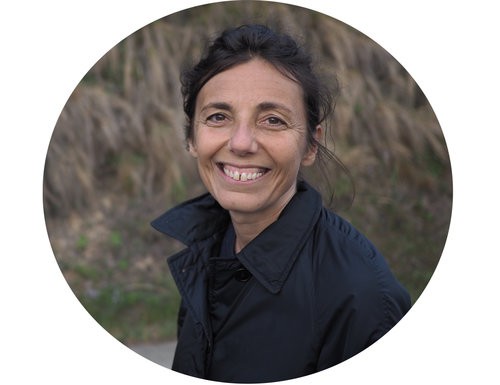
Alessandra Balduini, MD
I have a broad background in hematology, with specific training and expertise in hematopoietic stem cell biology and the clinical aspects of platelet-related disorders. Before establishing my research group in 2007, I served as a staff physician in the Laboratory of Clinical Biochemistry at the IRCCS San Matteo Foundation and the University of Pavia, Italy. In 2005-2006, I was a Visiting Professor at Dana Farber Cancer Institute at Harvard Medical School. Since 2007, I have led a research group with a cross-institutional presence at the Department of Molecular Medicine at the University of Pavia and the Department of Biomedical Engineering at Tufts University, USA. The aim of our program is to integrate biological and bioengineering approaches to study hematopoiesis and the bone marrow microenvironment. My research is centered on understanding how various components of the bone marrow niche regulate platelet production. In 2011, I developed a bioengineered 3D model of human bone marrow using porous silk, which effectively mimics the physiology of the living bone marrow environment. This model was further refined in 2015 and 2017, allowing us to generate functional platelets ex vivo, offering potential clinical applications in blood component production. By 2021, we had demonstrated that this advanced tissue system could also be utilized as a novel tool for investigating pathological mechanisms in human platelet production and evaluating drug efficacy. In 2024, my group generated a silk bioink as new approach to mimic the viscosity of the native bone marrow environment. In 2025, we used a modified silk scaffold to generate red blood cells in vitro from human hematopoietic progenitor cells. Recently, our company, Silk4B, was incorporated with the support of the European Innovation Council.
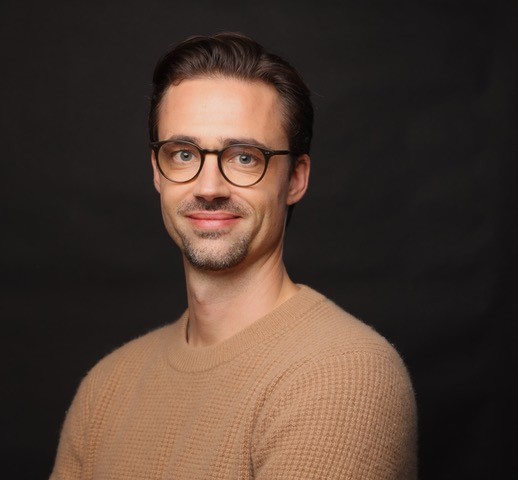
Univ.-Prof. Dr. med. Florian Gärtner, PhD
Florian Gaertner is Professor of Cell Migration in Cardiovascular Diseases at LMU Munich and group leader at the Department of Medicine I, LMU University Hospital. He is based at the Interfaculty Center for Endocrine and Cardiovascular Disease at LMU Munich.
His research explores the cellular and molecular mechanisms that regulate cell migration in cardiovascular and inflammatory diseases. A particular focus of his work is on how platelets, immune cells and megakaryocytes contribute to thrombosis, vascular inflammation, host defence and tissue homeostasis. Through this research, he aims to deepen the understanding of disease mechanisms and identify new therapeutic approaches.
Florian Gaertner studied medicine at the Technical University of Munich. He completed a PhD in Medical Life Science and Technology in the laboratory of Prof. Steffen Massberg, where he investigated platelet biology, thrombosis and autonomous platelet migration. He subsequently spent several years as a postdoctoral researcher at the Institute of Science and Technology Austria in the laboratory of Prof. Michael Sixt, further developing his work on cell migration in complex tissue environments. In 2023, he was appointed to his professorship at LMU Munich. In recognition of his scientific achievements, Florian Gaertner has received several major honours, including an ERC Starting Grant and admission to the DFG Heisenberg Programme.
Prof. Paolo Gresele, MD, PhD
Prof. Paolo Greseles, MD, PhD, graduated in Medicine at Perugia University (Italy) summa cum laude, where he also specialized in Internal Medicine, and received his PhD in Medical Sciences from the University of Leuven (Belgium) where he spent five years in the Centre directed by Marc Verstraete under the mentorship of Prof. Jos Vermylen. His research interests are mainly focused on hemostatic and thrombotic disorders, with special attention on the role of platelets in hemorrhagic, cardiovascular and inflammatory diseases. He has been President of the Italian Society on Hemostasis and Thrombosis, former chair of the Platelet Physiology Scientific and Standardization Committee of the International Society of Thrombosis and Haemostasis (ISTH), he is member of the panel of experts of the ClinGen Hemostasis/Thrombosis Clinical Domain Working Group and is the current Chair of the Specialized Working Group (SWG) on Thrombocytopenias and Platelet Function Disorders of the European Hematology Association (EHA-SWG). He is author of more than 400 peer-reviewed articles (H-index Google Scholar 84). He has been editor of several books on platelets including “Platelets in Thrombotic and Non-thrombotic Disorders: Pathophysiology, Pharmacology and Therapeutics”, Cambridge University Press, Cambridge 2002; “Platelets in Cardiovascular and Hematologic Disorders: a clinical handbook”, Cambridge University Press, Cambridge 2008; “Antiplatelet Agents”, Springer Verlag 2012; “Platelets in thrombotic and non-thrombotic disorders 2nd Edition”, Springer Verlag, Cham, 2017; “Platelets in Thrombotic and Non-Thrombotic Disorders” (vol 1 to 5), Springer Nature 2025. He is associate Editor of the Journal Haematologica and Editorial Board Member of Biochemical Pharmacology, Journal of Clinical Medicine, and Bleeding, Thrombosis and Vascular Biology.
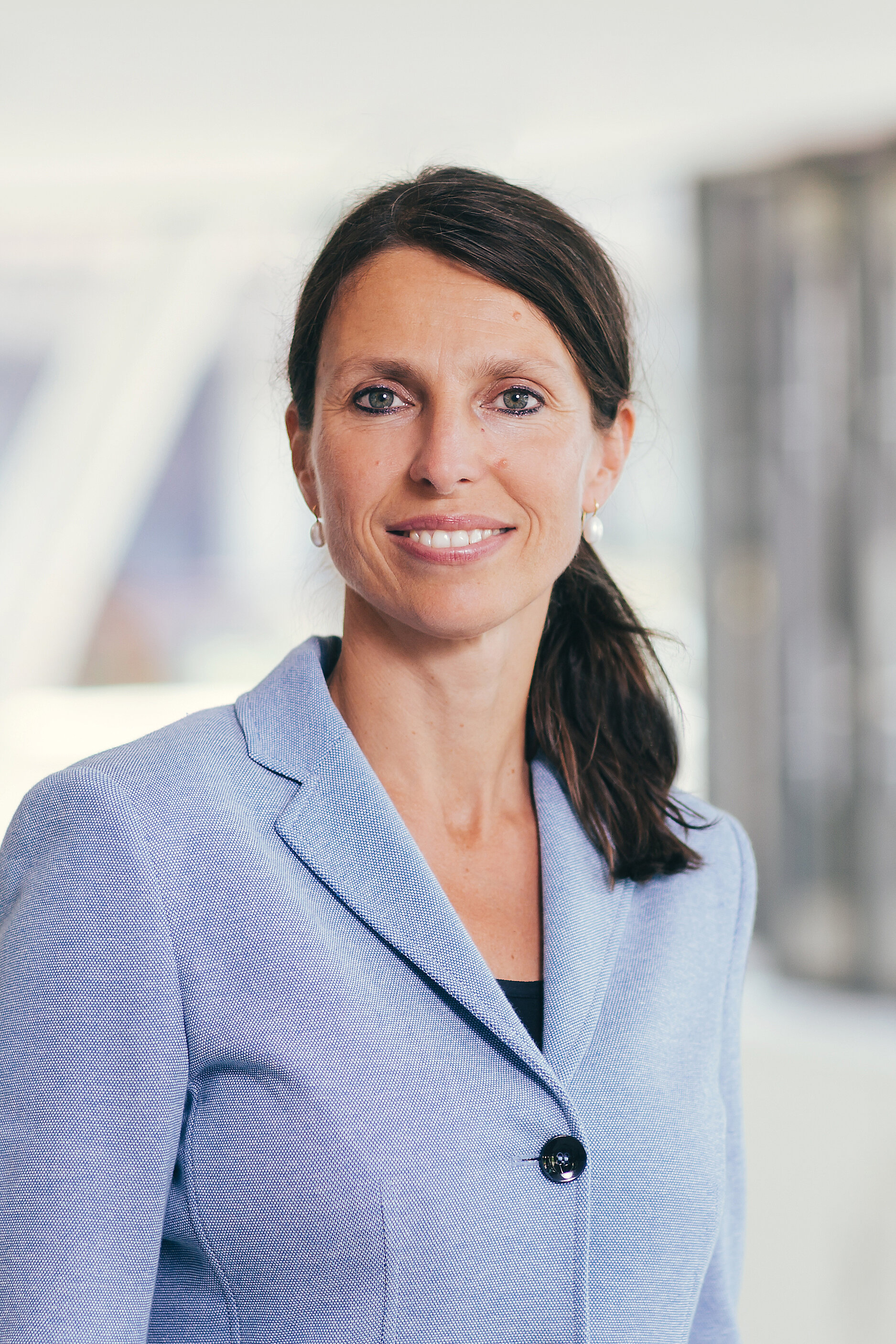
Prof. Dr. med. Claudia Lengerke
Claudia Lengerke is a professor and Medical Director of the Department of Internal Medicine II (Oncology, Clinical Immunology and Rheumatology) as well as Chair of the Centre for Cell Therapy at Tübingen University Hospital.
Her research focuses in particular on investigating tumour heterogeneity in order to better understand the mechanisms of treatment resistance and relapse and to develop new treatment approaches. Another focus is the development and clinical implementation of innovative cell and gene therapies, including academically produced CAR-T cells, also for autoimmune diseases.
Claudia Lengerke studied medicine in Tübingen and Timișoara and completed her specialist training in internal medicine, haematology and medical oncology, as well as her doctoral thesis and postdoctoral qualification in Tübingen. A defining moment in her scientific career was a research stay of several years on the topic of stem cell biology at Harvard Medical School (2004–2007, Boston, USA). A defining phase of her career was a three-year research fellowship at Harvard Medical School (Boston, USA) in the field of stem cell biology. Before returning to Tübingen, she spent seven years as a professor and senior consultant at the University Hospital of Basel (Switzerland).
In addition to her clinical and research work, she is committed to teaching and supporting the next generation of researchers. She has served as Vice-Dean of the Medical Faculties of Tübingen and Basel, has headed the Talent Academy at the Medical Faculty of Tübingen since 2023, and is the spokesperson for several clinician-scientist programmes.
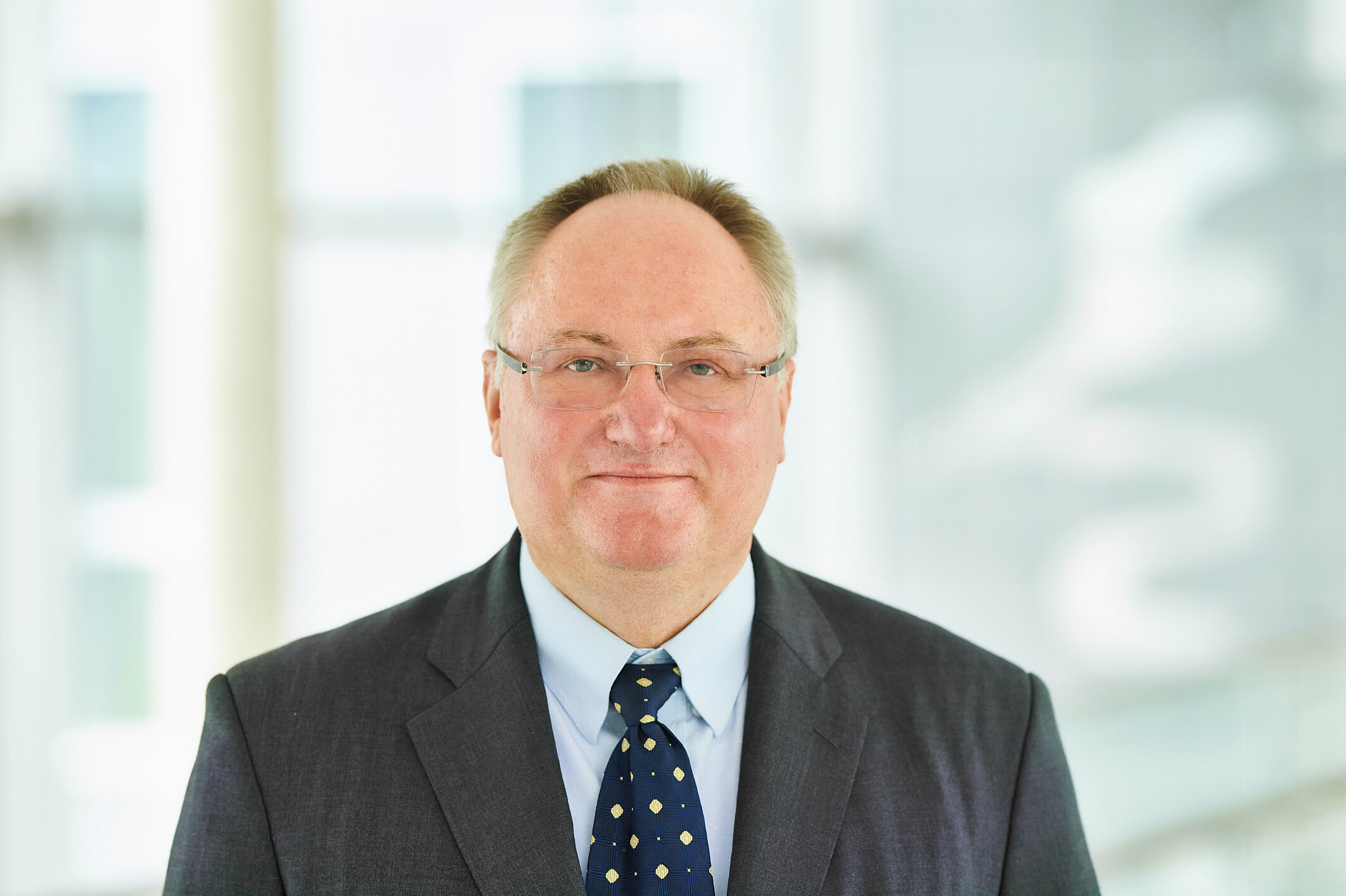
Professor Johannes Oldenburg, MD, PhD
Johannes Oldenburg is University Professor and Director of the Institute of Experimental Haematology and Transfusion Medicine and the Haemophilia Centre at the University Clinic in Bonn, Germany. His research includes the molecular genetics of blood coagulation factors, specifically haemophilia and vitamin K pathway with more than 700 peer reviewed publications in these fields. He is the recipient of the GTH Alexander Schmidt Award (2002), the Paul-Martini-Award in 2005, the ISTH Biennial Investigator Recognition Award (2007) and the DGTI Emil-von-Behring-Lecture 2025. He served as President of the 26th ISTH Congress in 2017, and has been the President of the GTH from 2019-2023.
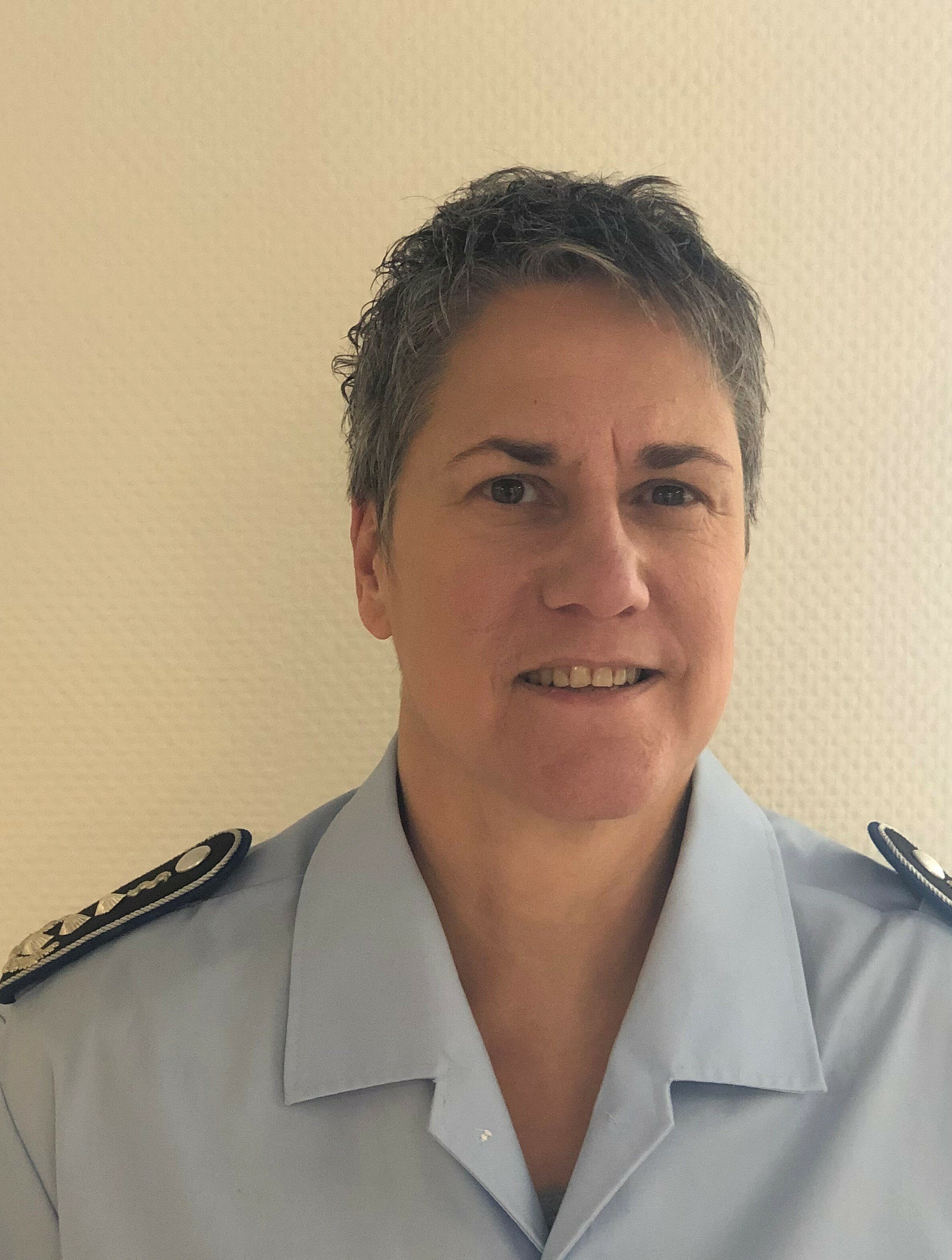
Dr. med. Diana Sauer
Colonel Diana Sauer is Clinical Director of the Department of Transfusion Medicine and Hemotherapy at BundeswehrZentralkrankenhaus Koblenz. Her emphasis of work includes clinical research and development in resilient blood supply in military environments and for crisis. She leads the Advisory Group Transfusion Medicine for the German Armed Forces Medical Service and is German Speaker in NATO Blood Panel.
After studying medicine at the Philipps-Univ. Marburg and Westfäl. Wilhelms-Univ. Münster, she completed her specialist training in Anaesthesiology and Intensive Care Medicine 2008 and her specialist training in transfusion medicine in 2025.
In 2008, she joined the German Armed Forces; during her military medical career, she was deployed nine times to different missions, such as International Security Assistance Force Afghanistan (2009, 2010, 2012 und 2013), Kosovo Force (2014-15), European Training Mission Mali (2016) Capacity Building and Combined Joint Force Operation Inheritent Resolve Iraq (2017 und 2019) and United Nations Multidimensional Integrated Stabilization Mission Mali in Niger (2018).
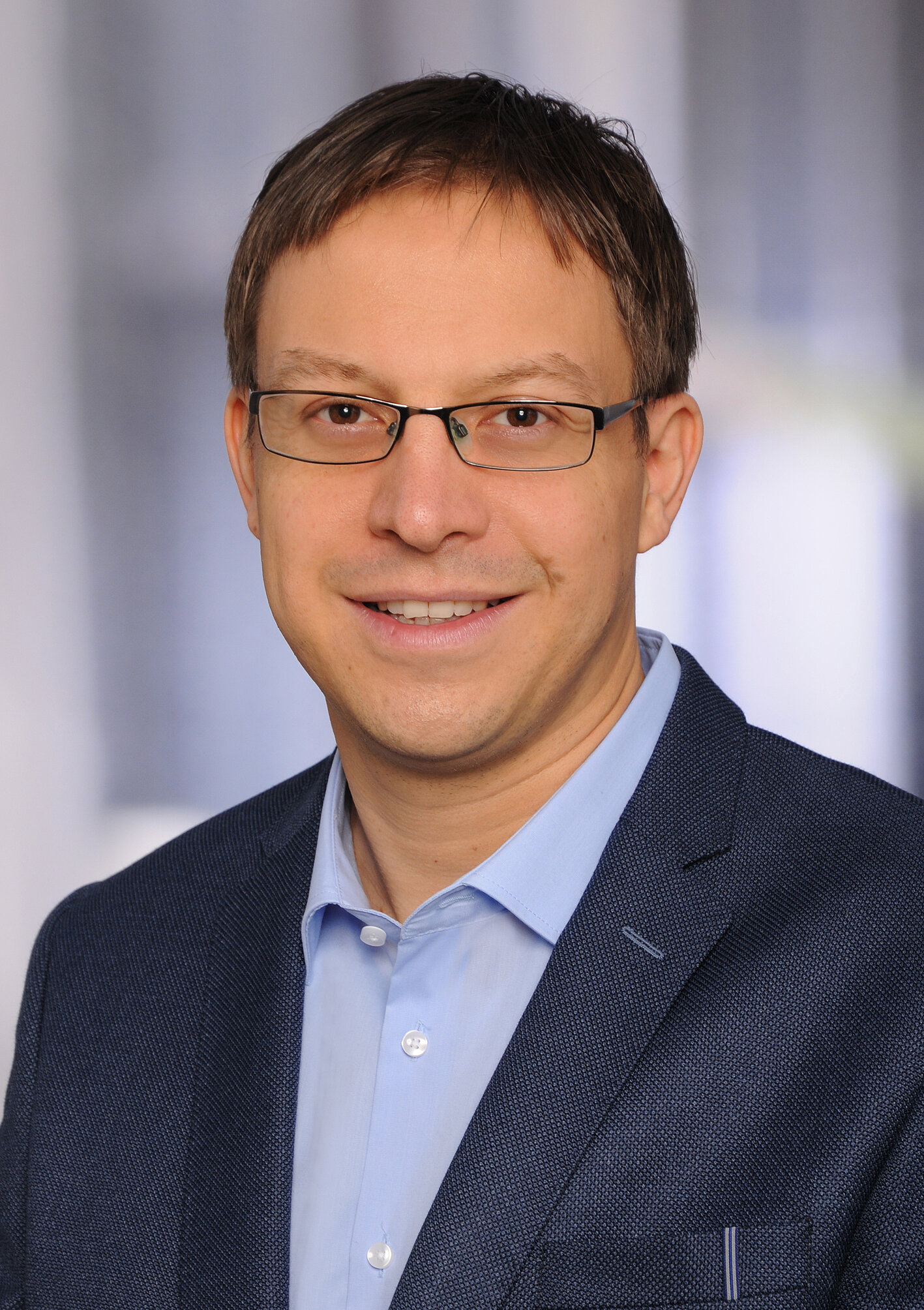
Prof. Dr. rer. nat. David Stegner
Short Profile
David Stegner is Professor of Vascular Imaging at the University of Würzburg. His research focuses on the role of platelets in thrombo-inflammation and vascular disease, with a particular emphasis on how platelet–immune cell interactions drive tissue damage in conditions such as ischemic stroke. Using advanced fluorescence imaging approaches, including intravital multiphoton microscopy and light-sheet microscopy, combined with transgenic mouse models, his work aims to visualize and mechanistically dissect platelet function in vivo.
Over the past years, his research has evolved from classical platelet biology and thrombosis to a broader understanding of platelets as central regulators of immune responses and vascular integrity. His group has contributed to uncovering how platelet activation pathways, secretion mechanisms, and adhesion receptors shape thrombo-inflammatory processes across different organ systems. More recently, his work has identified novel platelet-derived structures that exacerbate inflammation, highlighting new mechanisms by which platelets modulate disease progression.
Career and Training
since 2021 Professor (W2) of Vascular Imaging, University of Würzburg
2016 - 2021 Junior group leader, University Hospital Würzburg
2014 - 2016 Postdoctoral Fellow, Rudolf Virchow Center, Würzburg
2012 - 2013 Postdoctoral Fellow, Department of Neurology, University Hospital Würzburg
2011 PhD in Experimental Biomedicine, University of Würzburg
2006 Diploma in Biochemistry, University of Bayreuth
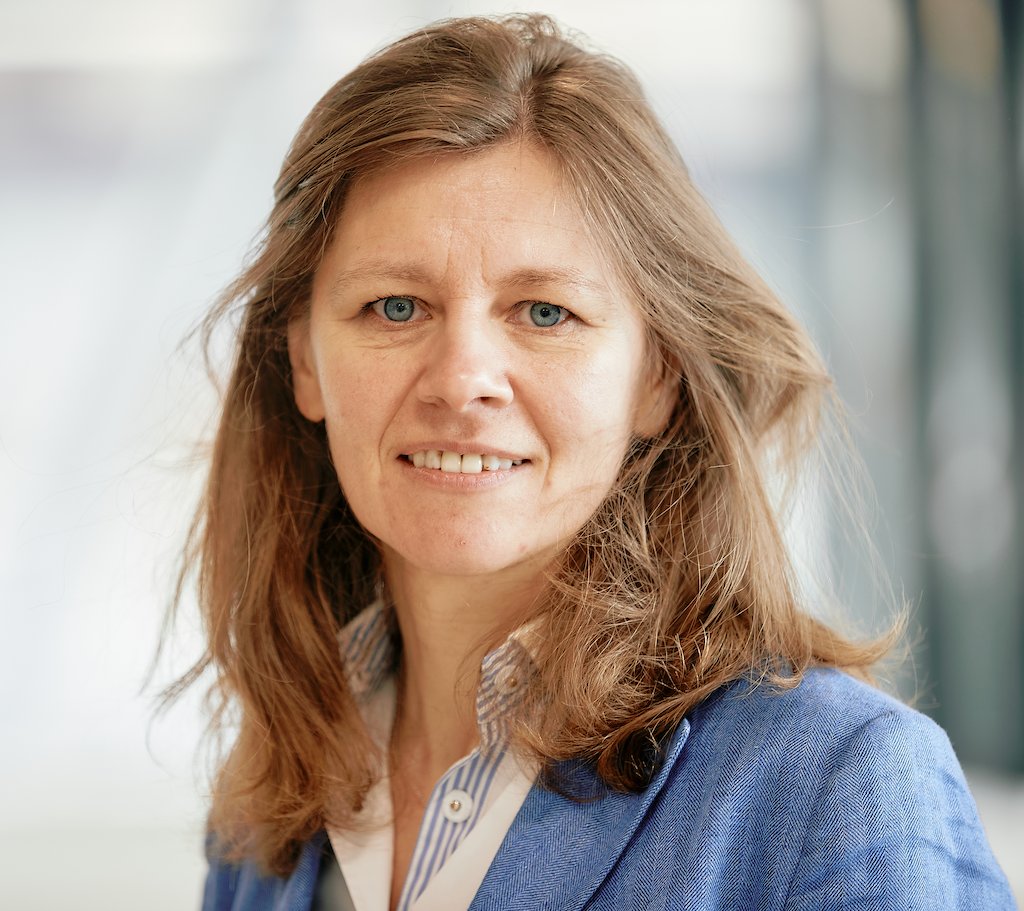
Prof. Dr. Julia Skokova
Professor Julia Skokowa is Head of the Translational Oncology Division in the Department of Hematology, Oncology, Clinical Immunology and Rheumatology at the University Hospital Tübingen. She also serves as an executive advisory board member and leads the reference laboratory for the Severe Chronic Neutropenia International Registry (SCNIR). In 2024, she founded and became director of the Gene & RNA Therapy Center (GRTC) at the University of Tübingen.
Her research focuses on clinical translation of basic research results, with particular emphasis on inherited bone marrow failure syndromes, particularly severe congenital neutropenia. She has made significant contributions to understanding the pathogenesis, diagnostics and treatment of bone marrow failures through registry-based studies, basic research and molecular diagnostic approaches. More recently, her group has identified an advanced gene-editing approach for severe congenital neutropenia which is now in clinical translation.
Julia Skokowa studied medicine and completed her clinical training in pediatric hematology and oncology, followed by a medical doctorate in clinical immunology. She subsequently pursued an MD/PhD program in Molecular Medicine at Hannover Medical School. She held positions as a postdoctoral researcher and later group leader at Hannover Medical School, where she conducted pioneering work on congenital neutropenia and hematopoiesis. In 2012, she was appointed as a full professor in Translational Oncology at the University Hospital Tübingen.
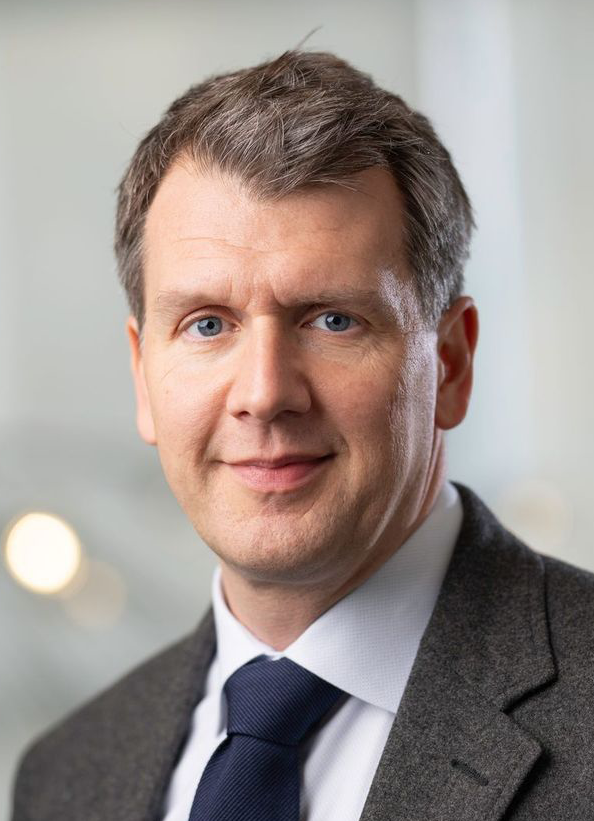
Dr. Moritz Stolla
Dr Stolla’s scientific background encompasses platelet biology, transfusion medicine and thrombosis/haemostasis. After studying medicine at the University of Munich and completing his M.D. thesis at the Technical University of Munich, he undertook his specialist training as a clinical pathologist, including further training in transfusion medicine at Harvard University in Boston. During his research training, he focused on the signalling protein CalDAG-GEFI in blood platelets. With his research group in Seattle at the University of Washington and Bloodworks Northwest, he investigates the biology of platelet storage, including its effects on thrombosis and haemostasis in mouse models and in humans. One of his research interests is understanding the biology of platelets exposed to cold temperatures. His long-term goal is to improve platelet storage. He has received awards from the AABB Foundation, the American Society of Hematology and the American Heart Association. His research is supported by the US Armed Forces and the National Institutes of Health. He is among the leading researchers in basic, translational and clinical transfusion medicine relating to platelets.